Dutch Mill Research
Dutch Mill Research Committed to studying and researching the gut microbiome, which forms the core foundation of holistic health and wellness.
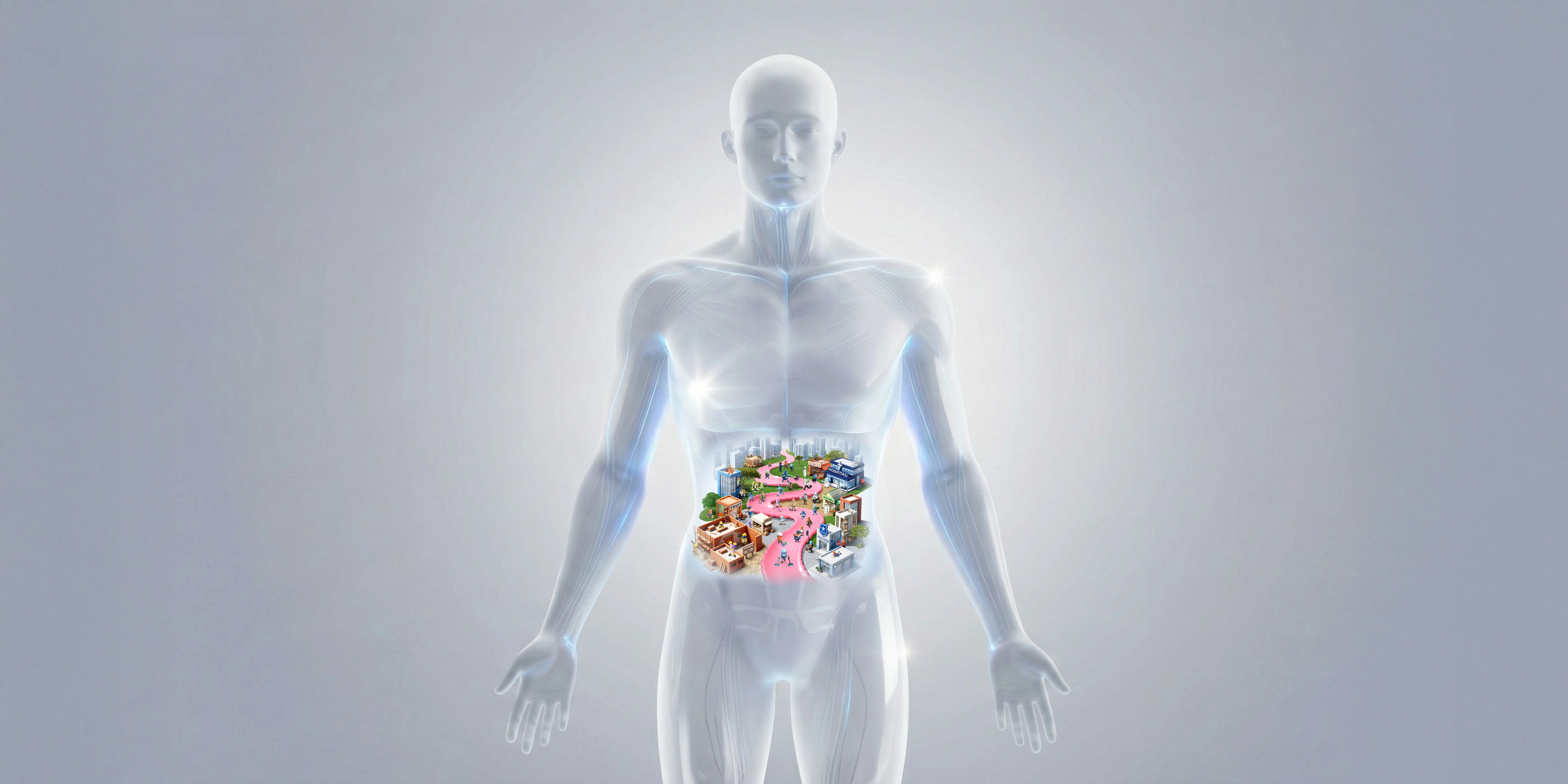
Scientific research has shown that the gut is more than just a digestive organ. It is home to the gut microbiome, a living ecosystem of trillions of microbes that plays a vital role in overall health.
Often referred to as the body's second brain, the gut microbiome supports many important functions throughout the body.
Maintaining a healthy balance of beneficial microbes helps keep the gut microbiome functioning properly and supports the overall health of the body.




- 1.Beneficial microbes
- 2.Potentially harmful microbes kept under control
- 3.Dietary fiber and prebiotics
These tiny living organisms become part of us from birth and remain with us throughout life.

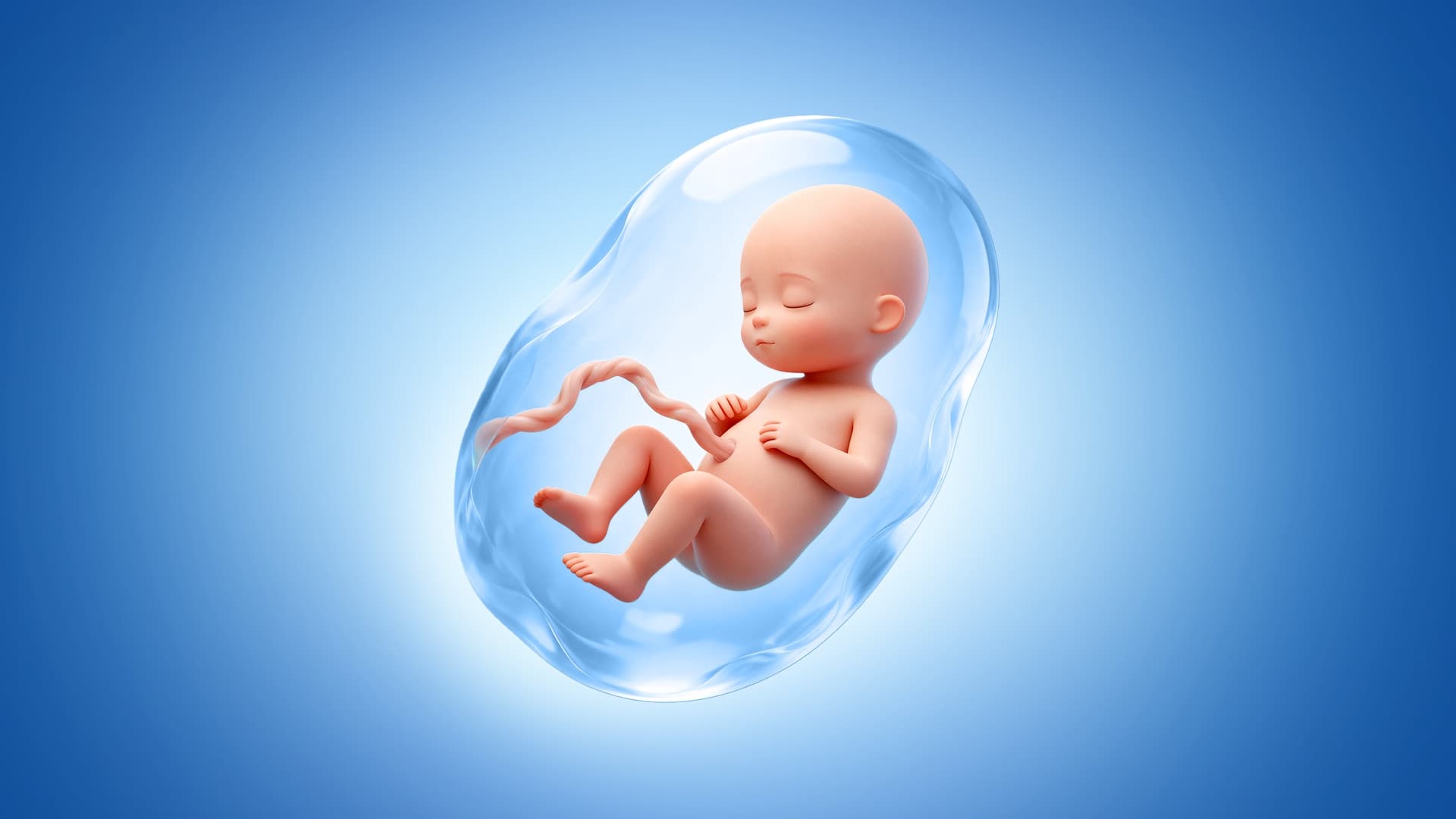

- Eat a variety of fruits, vegetables, and whole grains to support a diverse gut microbiome.
Did You Know? Your Gut Microbes Matter More Than You Think.
The microbes living in your gut
can influence organs
throughout your body.
Gut microbes produce bioactive compounds and send signals that influence digestion, immunity, brain function and mood, skin health, heart health, and metabolism. A balanced gut ecosystem helps support overall health.


The gut does more than digest and absorb food. It also communicates closely with the brain through a two way communication network known as the Gut Brain Axis.
- One of the gut's key functions is producing serotonin, often called the “happy hormone.” More than 90% of the body's serotonin is produced in the gut.
- Gut microbes produce important compounds, including GABA and short chain fatty acids (SCFAs), that help support brain function, emotional well being, and a healthy inflammatory response. An imbalanced gut microbiome may disrupt the Gut Brain Axis, affecting mood, stress, anxiety, and overall health.
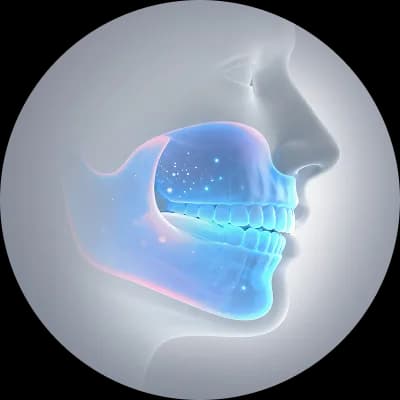
The mouth is the gateway to the body, and the oral microbiome serves as the first line of defense against microbes that can affect oral and digestive health.
- The oral microbiome is the second largest microbial community in the human body, with more than 700 species of microbes. It is made up of both beneficial and harmful microbes living in balance.
- Beneficial microbes help keep your teeth and gums healthy by limiting the growth of harmful bacteria that can cause tooth decay, gum disease, and oral inflammation. They also help support gut health and healthy digestion.
- An imbalanced oral microbiome can directly affect oral health, leading to plaque buildup, tooth decay, bad breath, gum disease, and oral inflammation. It has also been associated with an increased risk of chronic conditions, including Alzheimer's disease, diabetes, and cardiovascular disease.
The skin is the body's protective barrier and home to a diverse community of microbes, including bacteria, fungi, and viruses. These include both beneficial and harmful microbes living in balance.
- The skin also communicates with the gut through the Gut Skin Axis, a two way communication network that helps support overall health.
- An imbalance in the skin microbiome has been associated with various skin conditions, including eczema, acne, and psoriasis.
- An imbalanced gut microbiome (gut dysbiosis) may contribute to increased intestinal permeability, often referred to as "leaky gut." This can allow microbial products and inflammatory molecules to enter the bloodstream, promoting chronic low grade inflammation throughout the body. Through the Gut Skin Axis, this inflammation may impair the skin barrier, leading to dryness, increased skin sensitivity, and reduced moisture retention.
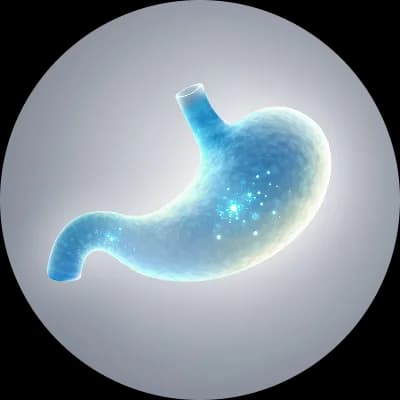
Although the stomach contains fewer microbes than the gut due to its highly acidic environment (pH 1.5-3.5), it still plays an important role in maintaining digestive health. Its key functions include:
- Certain beneficial microbes help inhibit Helicobacter pylori, supporting stomach health and helping reduce the risk of gastric ulcers.
- The stomach microbiome supports immune function, early digestion, and the production of gastric acid and digestive hormones.
- An imbalanced stomach microbiome may weaken the stomach lining, increase inflammation, and contribute to digestive problems.
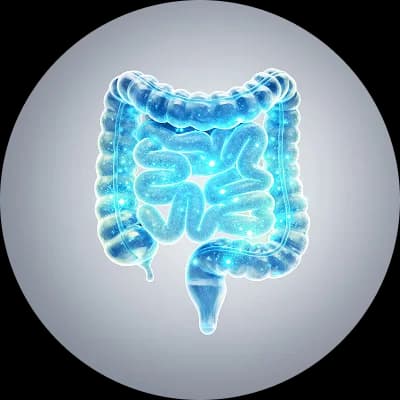
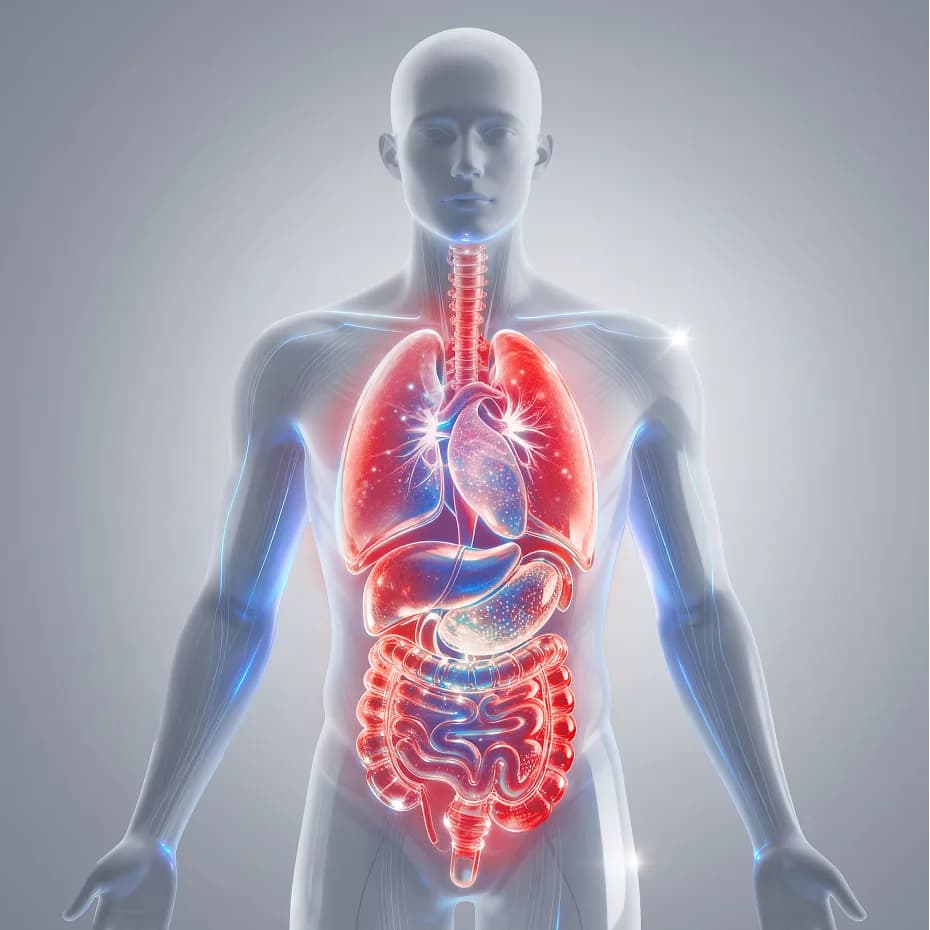
The gut is home to the largest microbial community in the body. It supports digestion, nutrient absorption, vitamin production, immune function, and brain health
- Gut microbes help protect the gut by supporting the intestinal barrier, stimulating mucus production, and limiting the growth of harmful microbes.
- Some gut microbes produce short chain fatty acids (SCFAs), including butyrate, propionate, and acetate, which support energy production, metabolism, immune function, and a healthy inflammatory response.
- Gut microbes produce essential vitamins, including biotin, folate, and vitamin K.
- Gut microbes help reduce the effects of certain potentially harmful compounds.
- The gut is the body's main source of serotonin. More than 90% of the body's serotonin is produced in the gut, helping support mood, sleep, and brain function.
- Gut microbes also produce important bioactive compounds, including GABA.
- About 70% of the body's immune system is located in the gut, where it helps protect against disease.
Gut microbes play an important role in metabolism by helping digest food, absorb nutrients, and regulate the body's use of energy, fats, and glucose.
- Some gut microbes produce short chain fatty acids (SCFAs), which support energy production, metabolism, immune function, and a healthy inflammatory response.
- Gut microbes produce essential vitamins, including thiamine (B1), riboflavin (B2), biotin (B7), and vitamin K.
- Some gut microbes produce bile salt hydrolase (BSH), an enzyme that helps support healthy cholesterol, lipid, glucose, and metabolic balance.
- An imbalanced gut microbiome (gut dysbiosis) has been associated with an increased risk of obesity, type 2 diabetes, insulin resistance, fatty liver disease, cardiovascular disease, and other non communicable diseases (NCDs).
The gut does more than digest and absorb food. It also communicates closely with the brain through a two way communication network known as the Gut Brain Axis.
the Gut Ecosystem







Signs of Gut Microbiota Imbalance
Causes of Gut Microbiota Imbalance
- A diet high in processed foods, refined sugars, unhealthy fats, excessive spicy or salty foods, and low in dietary fiber from fruits and vegetables
- Illness or infection
- Antibiotic use
- Chronic stress and insufficient sleep
- Regular alcohol consumption and smoking
- Environmental factors, including pollution, PM2.5, and chemical exposure
- Physical inactivity
How to Restore Gut Microbiota Balance
- Eat a varied and balanced diet to ensure adequate nutrient intake.
- Consume probiotic-rich foods to help increase beneficial gut microorganisms.
- Include fiber-rich foods, fruits, vegetables, and prebiotics in your diet to nourish beneficial gut microorganisms.
- Maintain good oral hygiene.
- Avoid alcohol consumption and smoking.
- Get sufficient, quality sleep.
- Engage in stress-management activities to help reduce stress and anxiety.
- Exercise regularly.